

The Impact of Cancelled UK Horse Racing Events
In recent years, the UK horse racing scene has faced unprecedented challenges, particularly when events are UK Horse Racing Not on GamStop best horse racing sites. The sport, known for its rich traditions and vibrant community, suddenly finds itself navigating the troubled waters of cancellations due to various factors, including weather conditions, health crises, and safety protocols. The ramifications of these cancellations extend far beyond the immediate disappointment of fans and bettors and resonate throughout the entire industry. This article delves into the multifaceted implications of cancelled horse racing events in the UK.
The Economic Implications
Horse racing is an integral part of the UK’s economy, contributing billions in revenue and providing thousands of jobs. When races are cancelled, the immediate economic impact is palpable. Bookmakers face significant losses as the flow of bets diminishes, and racecourse operators see dwindling visitor numbers and revenue from ticket sales, hospitality, and merchandise. Additionally, local businesses that rely on the influx of racing fans—such as hotels, restaurants, and transport services—also suffer. In 2020, the Covid-19 pandemic exemplified this effect, with significant financial repercussions across the board.
Fan Reactions and Engagement
The passionate racing community in the UK thrives on the excitement of live events. When races are not held, fans often express their disappointment through various channels, such as social media and forums. The sense of community built around horse racing is disrupted, leading to a disconnect between fans and the sport they love. Racecourses and governing bodies attempt to mitigate this through virtual events and online betting options, but this cannot replicate the thrill of being at a live race. Consequently, maintaining fan engagement during such periods becomes a challenge that the industry must address.
The Effects on Horse Owners and Trainers
Cancelled races also affect the livelihoods of horse owners and trainers. With fewer opportunities to showcase their horses, owners face potential financial losses, especially if they had invested heavily in training and preparation. Trainers, too, are directly impacted by the lack of race days, as their income is often tied to the success of their horses in competitions. The uncertainty can lead to difficult decisions regarding the care and management of the horses in their charge. Consequently, the ripple effects of cancellations can alter the landscape for many stakeholders within the sport.
Strategies for Recovery and Resilience
In the wake of significant race cancellations, the UK horse racing industry must adapt and find strategies for recovery. Innovative approaches to event management, enhanced safety protocols, and robust contingency plans are vital in preparing for future uncertainties. The adoption of digital technologies, such as live-streaming events and engaging interactive platforms, can help maintain fan interest and participation even when physical attendance is compromised. Additionally, establishing partnerships with local businesses can provide mutual support during off-peak periods and foster a sense of community resilience.
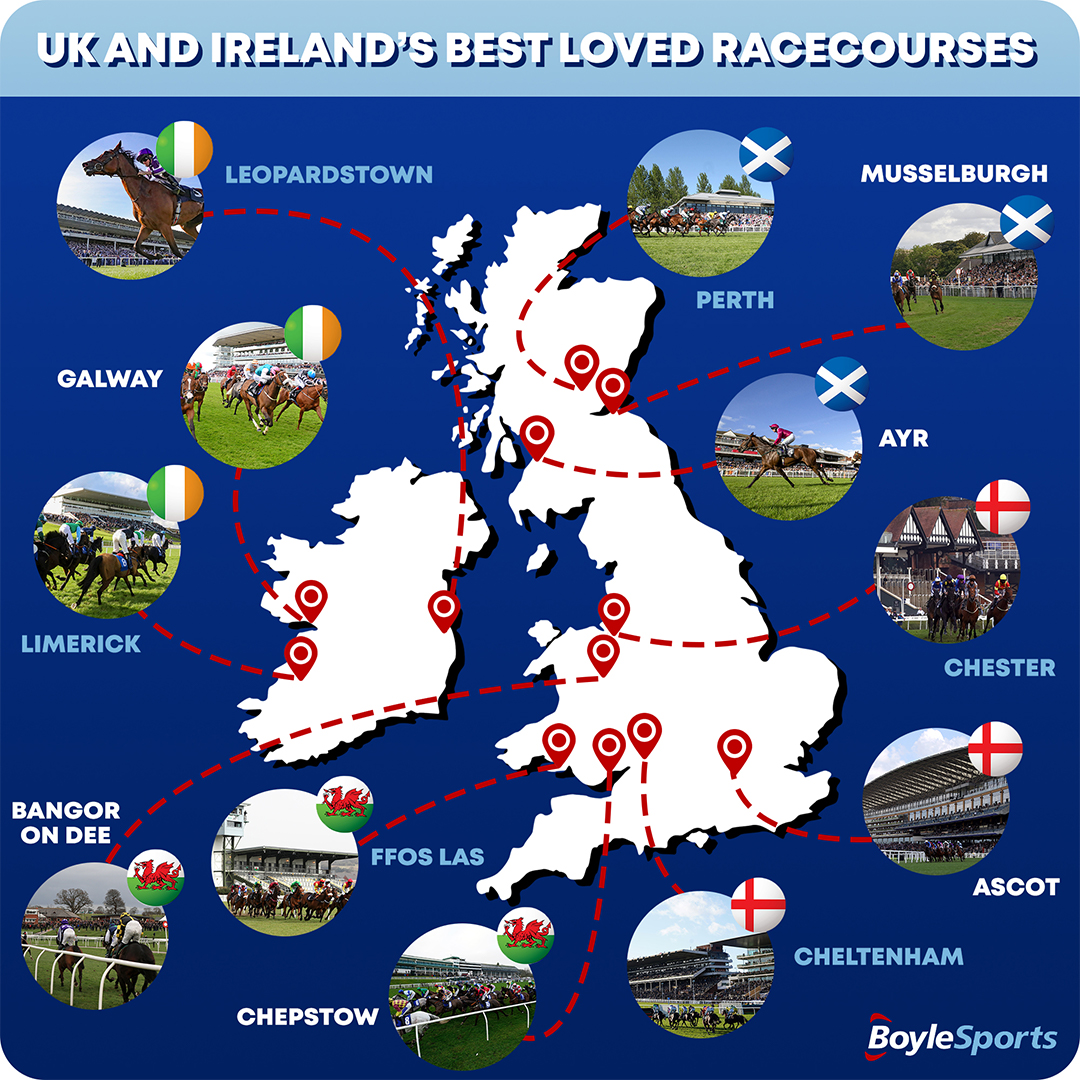
Looking Ahead: The Future of Horse Racing in the UK
Despite the current challenges, the future of horse racing in the UK holds promise. As the industry navigates these turbulent waters, there is also an opportunity for growth and transformation. Emphasizing the importance of safety, inclusivity, and innovation can help rebuild the sport’s foundation and attract new fans and participants. With careful planning and the willingness to embrace change, the UK horse racing community can work towards a more sustainable future.
Conclusion
Cancelled horse racing events in the UK have far-reaching consequences that affect various stakeholders, from fans to trainers and local businesses. While the challenges posed by such disruptions are significant, they also present opportunities for the industry to adapt and evolve. By fostering community engagement, embracing technology, and prioritizing safety, the UK horse racing scene can emerge from these challenges more robust and resilient. As the sport looks to the future, the collective efforts of all involved in the racing community will be essential in ensuring its long-term viability and success.
