

Admiralcasinokasino CZ 2026 – Registrace
Vítáme vás na stránkách Admiralcasinokasino CZ 2026 – Registrace a bonusový promo kód Admiralcasinokasino CZ-bonus, kde se dozvíte vše o novinkách a trendech v oblasti online kasin. S příchodem roku 2026 se on-line hazardní hry stávají stále populárnějšími a kasina jako Admiralcasinokasino CZ nabízejí spoustu možností pro nové i zkušené hráče. V tomto článku se podíváme na proces registrace v kasinu Admiral, jaké výhody získáte a co všechno můžete očekávat.
Proč si vybrat Admiralcasinokasino CZ?
Admiralcasinokasino CZ je jedním z předních online kasin v České republice, které nabízí širokou škálu her a bonusů. Mezi hlavní výhody patří:
- Široký výběr her: Kasino nabízí stovky her, včetně klasických automatů, stolních her jako blackjack a ruleta, a dokonce i živé kasino s profesionálními krupiéry.
- Skvělé bonusy: Noví hráči mohou získat atraktivní uvítací bonusy a pravidelné promo akce, které zvýší jejich šance na výhru.
- Bezpečnost a regulace: Kasino je pod licencí českého ministerstva financí, což zajišťuje bezpečnost hráčských dat a férovost her.
- Snadná registrace: Proces registrace je rychlý a intuitivní, takže se můžete hned pustit do hry.
Jak se registrovat v Admiralcasinokasino CZ?
Registrace v online kasinu Admiralcasinokasino CZ je jednoduchý proces. Budete potřebovat pouze pár minut.
- Navštivte webové stránky: Otevřete webové stránky Admiralcasinokasino CZ.
- Klikněte na tlačítko “Registrace”: Toto tlačítko se obvykle nachází v pravém horním rohu.
- Vyplňte registrační formulář: Zadejte potřebné osobní údaje, jako je jméno, e-mail a datum narození.
- Ověřte svůj účet: Po vyplnění formuláře budete muset ověřit svou identitu pomocí dokumentů, jako je občanský průkaz nebo pas.
- Vytvořte si uživatelské jméno a heslo: To vám umožní přístup k vašemu účtu.
- První vklad: Po úspěšné registraci budete moci provést první vklad a aktivovat bonus.
Bonusy a nabídky pro nové hráče
Po úspěšné registraci v Admiralcasinokasino CZ můžete využít množství bonusů a promo akcí. Mezi nimi se nacházejí:
- Uvítací bonus: Noví hráči často obdrží 100% bonus k prvnímu vkladu, což znamená, že pokud vložíte 1000 Kč, dostanete dalších 1000 Kč jako bonus.
- Bezplatné otočky: Mnohá kasina také nabízejí bezplatné otočky na vybraných automatech jako součást uvítacího balíčku.
- Přátelské programy: Některá kasina nabízejí také bonusy za přivedení přátel, což může přinést další odměny pro stávající hráče.
Jaké hry můžete hrát?
Admiralcasinokasino CZ nabízí širokou paletu her. Zde je několik typů, které můžete vyzkoušet:
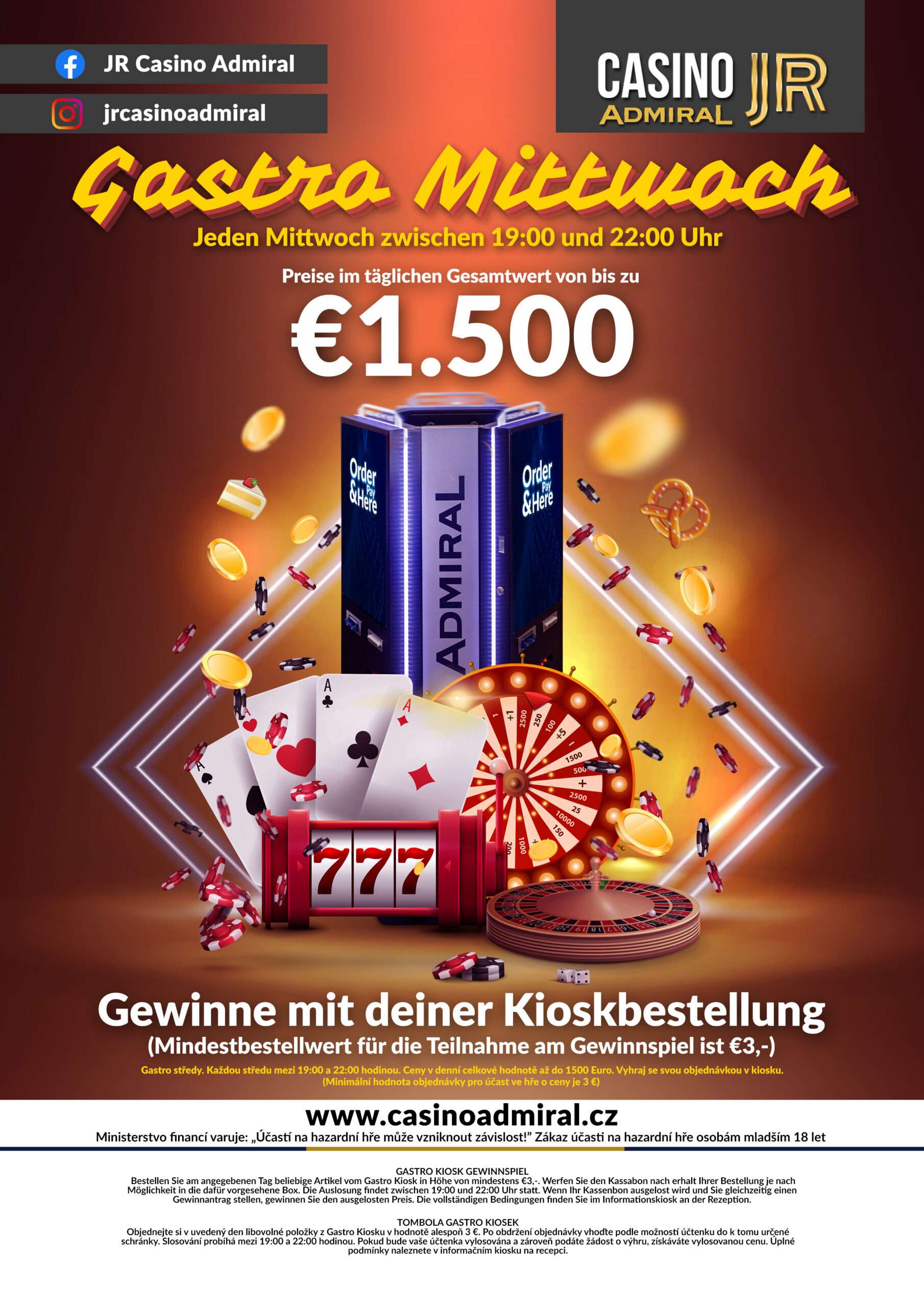

- Automaty: Od klasických ovocných automatů po moderní video automaty s fascinujícími funkcemi.
- Stolní hry: Tady najdete všechny oblíbené klasiky jako blackjack, ruleta, baccarat a poker.
- Živé kasino: Hrajte s živými krupiéry v reálném čase, což přináší autentický zážitek z kasina přímo do vašeho domova.
Podmínky pro výběr a vklad
Každé kasino má své podmínky pro vklady a výběry. U Admiralcasinokasino CZ si dejte pozor na následující:
- Minimální vklady: Většina platebních metod má určitou minimální částku, kterou musíte vložit.
- Časové limity pro výběr: V závislosti na metodě výběru může trvat několik hodin až několik dní, než se vaše výhry dostanou na váš účet.
- Ověření účtu: Před vyplacením výher může kasino požadovat dodatečné ověření vaší identity.
Závěr
Admiralcasinokasino CZ je nejen skvělým místem pro online hraní, ale také nabízí výhodné bonusy a široké možnosti her. Pokud hledáte nové online kasino v roce 2026, toto kasino by mělo určitě stát na vašem seznamu. Nezapomeňte se registrovat, abyste mohli využívat všech výhod, které toto kasino nabízí.
